The biomechanics of silence: why the brain limits your performance before your lungs
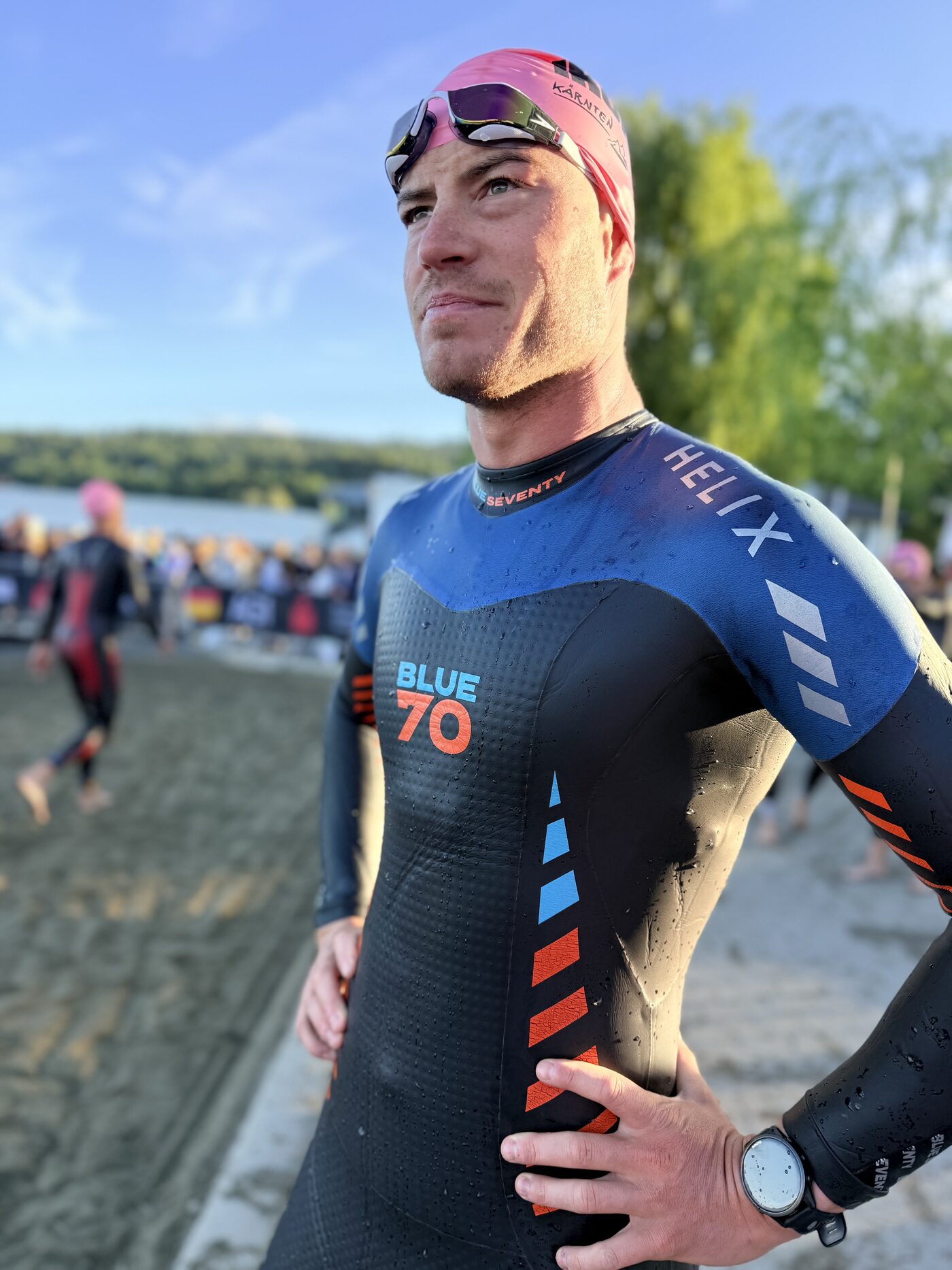
When you “can't go on” in a race, it's usually not because a muscle physically failed. It's because your brain decided to protect you — and pulled your output back before any real damage could occur.
For a long time fatigue was believed to be purely a matter of the muscles: fuel runs out, waste builds up, the muscle stops working. But research of the last two decades shows something more interesting. There's also a central governor of fatigue — sometimes called the “central brake”. The brain continuously monitors heart rate, temperature, fuel level and signals from the muscles, and accordingly regulates how many muscle fibres it even lets work. The fatigue you feel is largely a warning signal, not a final engine failure.
Why the brain does it
It's a protective mechanism fine-tuned by evolution. The body can't afford to run completely “to the bottom” — it would risk overheating, serious depletion of reserves or damage. So the brain keeps a safety reserve and won't give it to you for free. That's why an exhausted runner can still speed up in the finishing straight: the brain sees the end coming, decides the reserve is no longer needed, and releases the brake.
Your ceiling isn't where it hurts. It's a bit beyond that.
How to work with the brake
The good news is that the central brake can be moved. Not by willpower “in one go”, but through training and experience:
- Expose yourself to controlled discomfort. Quality intervals teach the brain that a given state is manageable and safe — and next time it releases more.
- Train pace and pacing. Most race “crises” are the result of poor effort distribution. Ride smart and the brain doesn't have to panic.
- Work with your head deliberately. Breaking the race into small chunks, a calm inner dialogue and pre-rehearsed scenarios lower perceived effort — and the brake eases.
- Trust what you've drilled. The certainty that comes from training is what holds in a crisis. Someone who knows they handled it in preparation won't flinch in the race.
This doesn't mean ignoring the body's signals — that would be a path to injury. It means learning to tell the protective brake from a real limit and systematically moving the line you couldn't cross yesterday. Because performance isn't born only in the legs. It's born between the ears too.
That's exactly what the WOHLMACHINE method is built on — physiology, data and the mind working together.
Choose a program